Reporting Evasion of Section 301 Steel and Aluminum Tariffs: The Paper Trail
Section 301 tariffs on steel and aluminum from China have been in place since 2018 — and since they rose to 25% in May 2019, some U.S. companies have been quietly trying to avoid them. Through our work on the Precision Cable Assemblies case and others, we have seen firsthand how those evasion schemes work. The evidence to expose them is often sitting right inside a company’s own financial records.
Yes, Foreign Non-U.S. Whistleblowers Can Receive Rewards for Reporting False Country of Origin Marking or Other Customs Frauds
Whistleblowers from Malaysia, Vietnam, Thailand, Taiwan, or anywhere else outside the United States who have knowledge of a scheme in which Chinese-manufactured goods are being falsely labeled as products of your country to avoid U.S. customs duties may be eligible for a substantial financial reward under U.S. law.

What if the Company Self-Discloses Before Filing for a Whistleblower Award?
If you've discovered that your employer — or a competitor — has been evading customs duties, your first instinct might be to pick up the phone and call a lawyer. Unless experienced in customs duty cases, FCA whistleblower attorneys may not spend enough time explaining how eligibility for a False Claims Act award may be impacted if the company in question has already made a Tariff Act self-disclosure, or is in the process of doing so.
Buy American, Trade Agreements Act Requirements — and the False Claims Act
The Buy American Act and the Trade Agreements Act impose country-of-origin requirements on federal procurement. When a government contractor certifies compliance with those requirements while selling products that do not qualify, every invoice submitted under the contract is a potential false claim. In a world where almost everything in a modern supply chain has some Chinese content somewhere, the gap between what companies certify and what they actually sell to the government is, in many cases, enormous.
Even After the Supreme Court’s IEEPA Decision, Customs Fraud Cases Are Still Coming
Last month’s ruling in Learning Resources v. Trump struck down the president’s emergency tariff authority. But the tariff landscape that actually drives customs fraud enforcement—Section 301, Section 232, antidumping and countervailing duties—was untouched. Here is what changed, what did not, and what it means for whistleblowers.
What to Do if a Competitor is Cheating on Tariffs
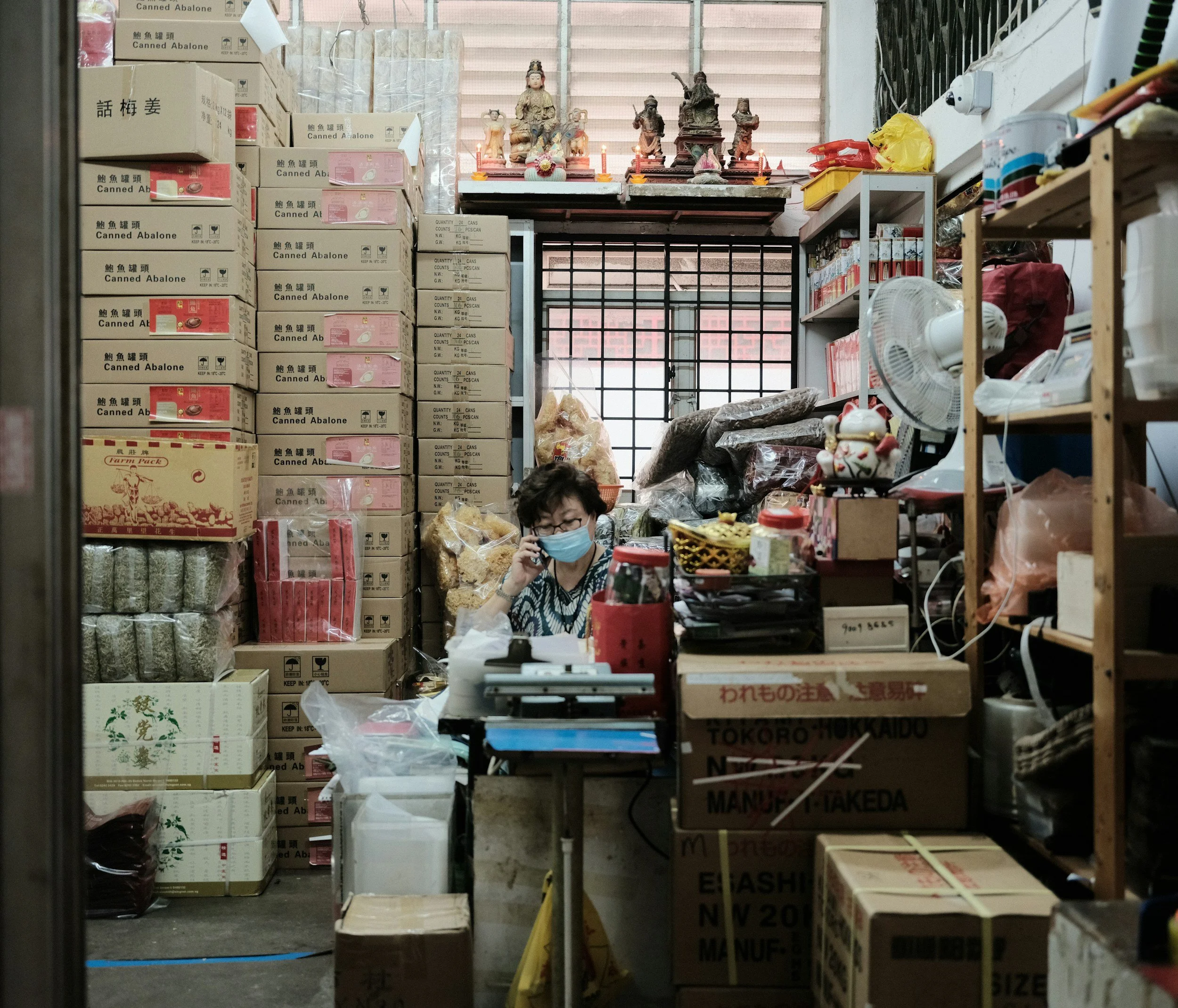
Companies facing tariffs have it hard enough without competitors cheating on tariffs. If you’re aware of a competitor engaged in a customs fraud scheme, the False Claims Act can help enforce compliance, while also offering rewards.

Expanding Reach of IEEPA Tariffs: Shifting Import Practices and Rising Risk of Customs Fraud
Recent tariffs pursuant to the International Emergency Economic Powers Act are disrupting global trade, creating new opportunities and incentives for fraud.
De Minimis Tariff Exception Ends for China, Incentivizing Fraud
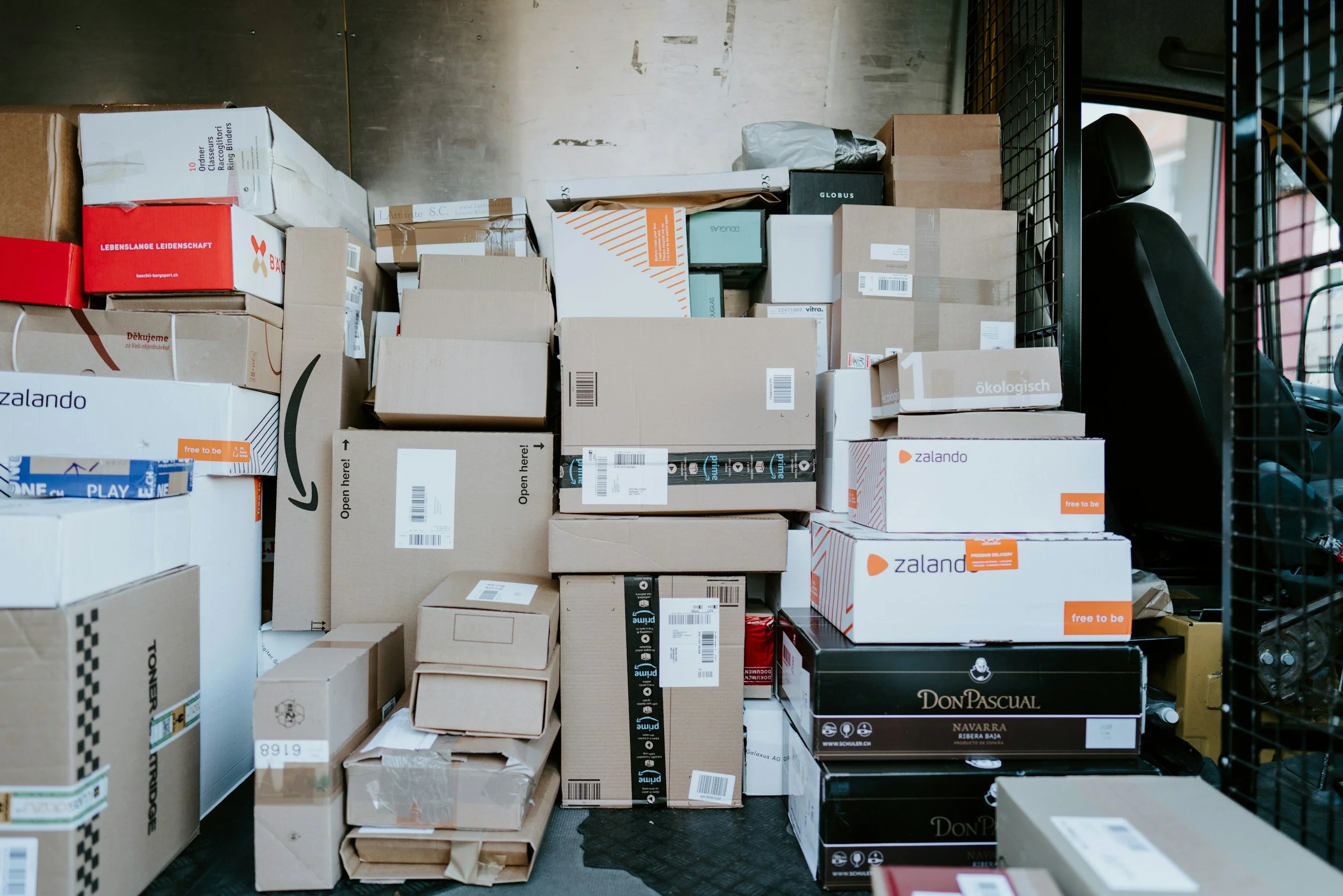
Companies reliant on the de minimis tariff exception recently suspended for China and Hong Kong may be tempted to turn to fraud to avoid the sudden and significant tariff burden.